
A Parent’s Guide to Understanding and Managing Ear Infections
Ear infections are one of the most common childhood illnesses, often arriving suddenly and bringing plenty of discomfort, fussiness, and sleepless nights. Whether your child is tugging at their ear, running a fever, or waking up crying in pain, it can leave any parent feeling worried and unsure of the next right step. The reassuring news is that many children experience ear infections at some point, and many cases improve with simple home remedies for ear infection that soothe pain and support healing. Knowing what signs to watch for, what you can safely do at home, and when you should call your pediatrician can make these moments more manageable.
Key Takeaways
- Home remedies for ear infection such as warm compresses, rest, hydration, and humidifiers can provide effective comfort for many mild cases.
- Ear infections often follow colds, allergies, or fluid buildup, and children are more susceptible due to their developing anatomy.
- Parents should avoid inserting anything into the ear canal or using unapproved drops, as these can worsen the problem.
- Call your pediatrician if symptoms last longer than two to three days, if pain increases, or if you notice fever, drainage, or hearing changes.
- Preventing future infections includes good hand hygiene, keeping ears dry, staying up to date on vaccines, and reducing exposure to secondhand smoke.
This complete guide walks you through ear infection symptoms, causes, safe home care, medical treatments, and practical tips to help prevent future infections.
What Is an Ear Infection?
An ear infection happens when bacteria or viruses cause inflammation in part of the ear. The most common type in children is a middle ear infection, known as otitis media. This occurs in the space behind the eardrum, usually during or after a cold, flu, or bout of allergies. Fluid becomes trapped behind the eardrum, and when bacteria grow in that fluid, an infection develops.
Another type, swimmer’s ear, affects the outer ear canal. This type is more common in older children and often results from moisture lingering in the ear after swimming or bathing. While both types cause discomfort, middle ear infections tend to be more painful and more likely to cause fever.
Children are especially prone to ear infections because their Eustachian tubes, which drain fluid from the middle ear, are shorter and more horizontal than adults’. This makes it easier for fluid to accumulate and harder for it to drain properly. Understanding this helps you know why home remedies for ear infection can help relieve symptoms but won’t work equally for all children or all infection types.

Common Symptoms in Children
Ear infection symptoms may vary from child to child. Some symptoms appear suddenly, while others build over a day or two. Parents often notice:
- Ear pain or tugging at one or both ears
- Fussiness, irritability, or increased crying
- Trouble sleeping or waking frequently
- Fever
- Fluid, pus, or a strange odor coming from the ear
- Difficulty hearing or responding to sounds
- A feeling of fullness or pressure
- Reduced appetite, especially in infants who experience pain while sucking
While some of these symptoms can be managed with home remedies for ear infection, others signal the need for medical attention. Paying close attention to your child’s behavior and comfort level helps guide your decisions.
Safe and Effective Home Remedies for Ear Infection Relief
Many parents want to try gentle relief methods before moving to antibiotics or prescription treatments. In many mild cases, this is completely appropriate. The following home remedies for ear infection are widely recommended by pediatricians for comfort and symptom relief.
Warm Compresses
Applying a warm, damp washcloth to the affected ear can relax tense muscles and ease pain. Many children find this comforting, and it can quickly become one of the simplest home remedies for ear infection you rely on at home.
Cold Compresses
A cool compress or cold washcloth can reduce inflammation. Some children respond better to cold than heat. You can alternate between warm and cold every 10 minutes to see which method brings more relief.
Over the Counter Pain Relievers
Infants and children can take doses of acetaminophen or ibuprofen appropriate for their age and weight. These medications help with pain and fever and are often used alongside home remedies for ear infection to keep children comfortable while the infection improves.
Hydration and Rest
Fluids help thin mucus in the sinuses and Eustachian tubes, which may reduce pressure behind the eardrum. Rest supports the immune system’s ability to fight the infection. Encouraging these habits is an important part of home remedies for ear infection at home.
Elevated Sleeping Position
Keeping your child’s head slightly elevated can ease discomfort from ear pressure. Older children can use an extra pillow, and younger children can be held upright for naps. Always follow safe-sleep guidelines for infants.
Humidifiers and Warm Steam
Humidifiers add moisture to the air and may help reduce congestion, which often contributes to middle ear infections. Sitting with your child in a steamy bathroom for several minutes can also provide relief. These simple techniques are gentle home remedies for ear infection that can help open nasal passages and ease pressure in the ears.
Natural Eustachian Tube Exercises
Children old enough to follow simple instructions may benefit from swallowing, chewing, yawning, or drinking through a straw, all of which help open the Eustachian tubes. This can temporarily relieve pressure and complements other home remedies for ear infection.
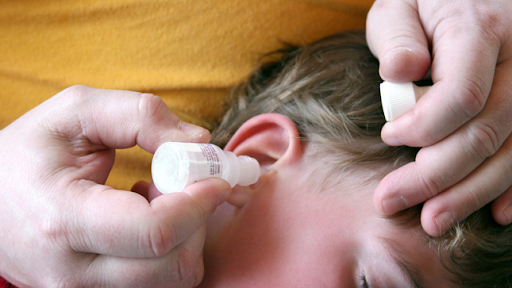
Hydrogen Peroxide for Earwax Buildup
If earwax is contributing to discomfort, your pediatrician may approve a few drops of hydrogen peroxide to help soften and loosen wax. This is considered an optional and very specific addition to home remedies for ear infection, not a universal remedy, and it should never be used if you suspect a ruptured eardrum.
What Parents Should Avoid
While home remedies for ear infection can be helpful, some methods can cause harm or delay proper treatment. Parents should avoid:
- Placing cotton swabs or any objects inside the ear canal
- Using essential oils or herbal drops inside the ear unless approved by a pediatrician
- Using decongestants or antihistamines specifically for ear infections without guidance
- Allowing water to remain trapped in the ear
- Ignoring symptoms that worsen or linger
These habits protect the delicate structures of the ear and help ensure your child receives appropriate care at home.
For additional parent-focused information about childhood ear infections, you can visit the CDC’s Ear Infection resource page.
When to Call the Pediatrician
Even the best home remedies for ear infection cannot treat every case. Some children will need medical attention or antibiotics, particularly if the infection is bacterial or symptoms are severe.
Contact your pediatrician if:
- Symptoms last longer than two or three days
- Pain becomes more intense
- Fever remains high or persistent
- There is any fluid or pus draining from the ear
- Your child shows signs of hearing difficulties
- Symptoms improve and then return
- Your child is under six months old
Your pediatrician may suggest watchful waiting (monitoring the infection before prescribing antibiotics), prescribe medication, or recommend other treatments based on severity and frequency of infections.
In certain cases, especially when infections are frequent, a referral for possible ear tube placement may be recommended to help prevent fluid buildup and future infections.
Preventing Future Ear Infections
Prevention pairs well with home remedies for ear infection, helping reduce the likelihood of recurrence. You can support your child’s ear health by:
- Encouraging frequent handwashing to limit illness
- Keeping ears dry after swimming or bathing
- Avoiding exposure to secondhand smoke
- Ensuring vaccinations are current
- Feeding babies in an upright position
- Limiting pacifier use after six months
- Managing allergies that might contribute to congestion
These habits support healthy Eustachian tube function and lower the risk of repeated infections.
A Final Word for Parents
Ear infections are difficult for kids and stressful for parents, but the more you understand, the easier it becomes to navigate them with confidence. Simple home remedies for ear infection can provide real relief while your child recovers. Warm compresses, rest, humidifiers, hydration, and careful use of over the counter medicines are reliable ways to help your child feel better. But remember, no parent needs to navigate this alone. Your pediatric team is always here to help determine when home care is enough and when it is time for medical treatment.
If your child is showing signs of an ear infection or if you are unsure whether home remedies for ear infection are enough, our pediatric team is here to help. Walk in today for urgent care to make sure all is ok with your child. We are committed to providing the expert, compassionate care your child deserves so they can feel better faster.